
JUICE THE BLUEBERRY
Are We Preparing for the Wrong Future?
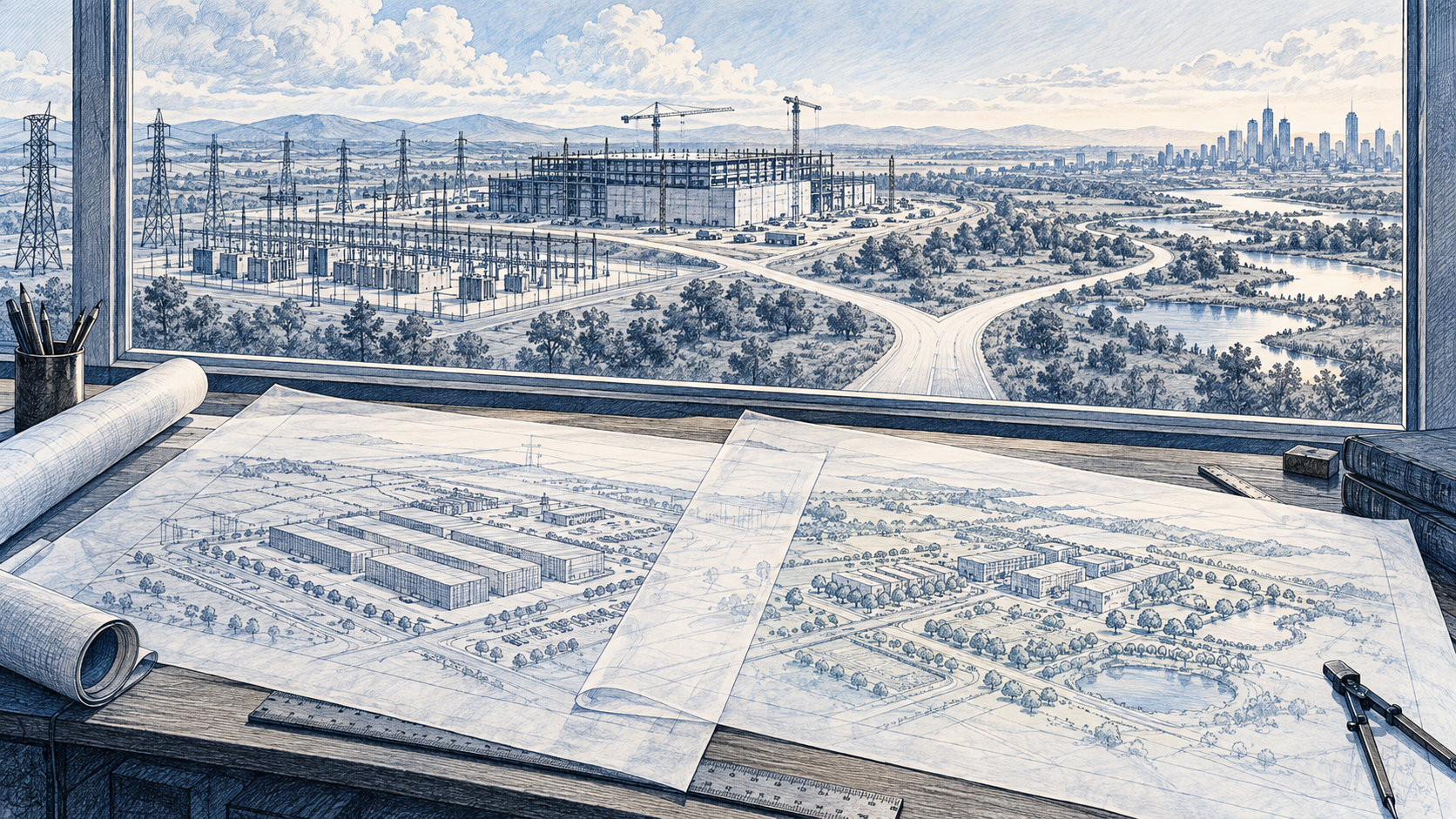
Plans are bets on assumptions. A useful plan shows what happens when those assumptions move.
Consider a utility planning an electrical connection for a new data center. The developer might estimate a peak load, a start date, and a growth path. The utility must decide how much equipment to order and when. If demand appears later than forecast, customers may carry stranded costs. If it arrives faster, connection and reliability suffer. One forecast does not capture both risks.
The International Energy Agency's analysis of AI and electricity presents ranges rather than a single guaranteed future. It also discusses efficiency and the different power demands of tasks. A planning test would take one utility's public load forecast, mark the data-center assumptions, and rerun the decision under slower construction, faster growth, and better computing efficiency. Each scenario should report capacity, cost allocation, lead times, and who bears the consequence of error.
The counterargument matters: delaying every investment until demand is certain can itself create shortages. The purpose of scenarios is to identify flexible decisions, such as staged connections and equipment orders, where uncertainty is high. The evidence available here supports the method, not a verdict on a specific utility.
Until we obtain a named utility's filings and an actual project schedule, “the wrong future” is a question, not a finding. The investigation should ask which assumption is most consequential and whether the plan survives a reasonable change in it.
Sources: IEA energy and AI analysis; IEA grid planning.